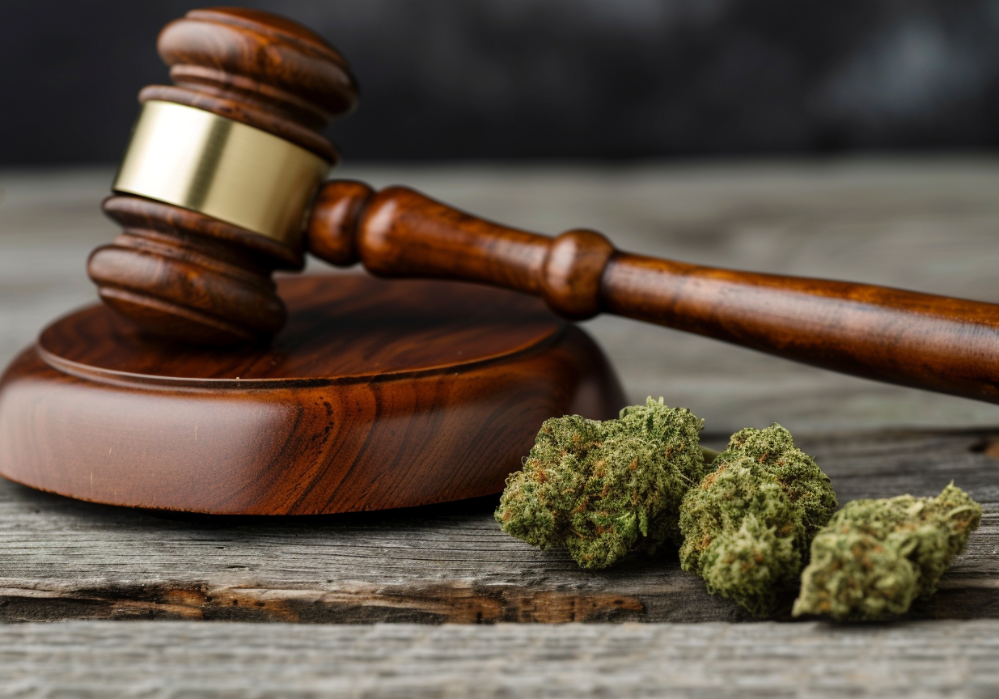
One of the primary arguments against medical cannabis legalization is the assumption that it will lead to increased use among teenagers. Given what we know about teens and alcohol, the concern is legitimate. But a new study just released by the American Medical Association (AMA) suggests lawmakers and parents have nothing to worry about. Cannabis legalization does not lead to increased teen use.
The study, published in the JAMA Pediatrics journal, supports previous studies that found no links between cannabis legalization and increased consumption among teenagers. And in fact, the study suggests that legalization could be a contributor to more young people choosing to avoid cannabis, alcohol, and vape products.
The Study by the Numbers
Researchers looked at data from forty-seven states. All had active medical cannabis programs while some also allow adult consumption. The data included survey responses from nearly 900k teenagers, all who had parental consent to participate.
Participants were all students in grades 9-12. They were asked to self-report their use of cannabis, cigarettes, vaping products, and alcohol over the previous month. When all was said and done, they found no significant increases in teen cannabis consumption following the implementation of cannabis legalization.
No Longer a Valid Objection
Among those who support medical cannabis legalization, the teen consumption issue is no longer a valid objection. The recent AMA study is only the latest to prove that legalization does not encourage teens to use. There may be other objections worth exploring, but the teen use issue appears to be off the table now.
Another big objection to medical cannabis is a lack of clinical data supporting its efficacy. That objection may soon be off the table as well. With Washington loosening restrictions on medical cannabis research, such research is starting to flourish. As it is published, the data is providing more evidence in support of cannabis as a medicine.
What It Means Practically
It’s easy to look at the AMA study from a purely political standpoint. But what does it mean practically? What does it mean to parents concerned that their teens might have unrestricted access to cannabis? It means that most parents have nothing to worry about. There are always exceptions to the rule, but legalizing medical cannabis generally does not lead to an increase in consumption among teenagers.
In states like Utah, where only medical cannabis is legal, there are fewer concerns about illicit teen use. Only legal adults can obtain medical cannabis cards under normal conditions. Minors can only get cards with approval from the state Compassionate Use Board. And even at that, Cedar City’s Zion Medicinal says miners still cannot purchase medical cannabis themselves. A parent or legal guardian with a valid medical cannabis card must make purchases on a teenager’s behalf.
Assuming all the study data is accurate, another practical point to consider is that teens seem to be less likely to use other substances as well. Could that mean decades of anti-substance messaging are starting to pay off? Anything is possible. What really matters is that teens are not using alcohol, cigarettes, and vaping products as much as some are led to believe.
Time to Move On
It would appear as though it is time to move on from the objection to medical cannabis based on fears of increased teen use. Study data clearly shows that such objections do not hold water. In states where medical cannabis is legal, teens are not more likely to use cannabis than their counterparts in prohibitionist states. That is good news. It means we can put this particular argument to rest.